Empowering providers to deliver person-centered health care.

With Violet’s CE/CME-accredited training, providers are set up for success. Our education focuses on tailoring clinical encounters to each patient’s unique needs, so providers can achieve better outcomes and reduce avoidable costs.
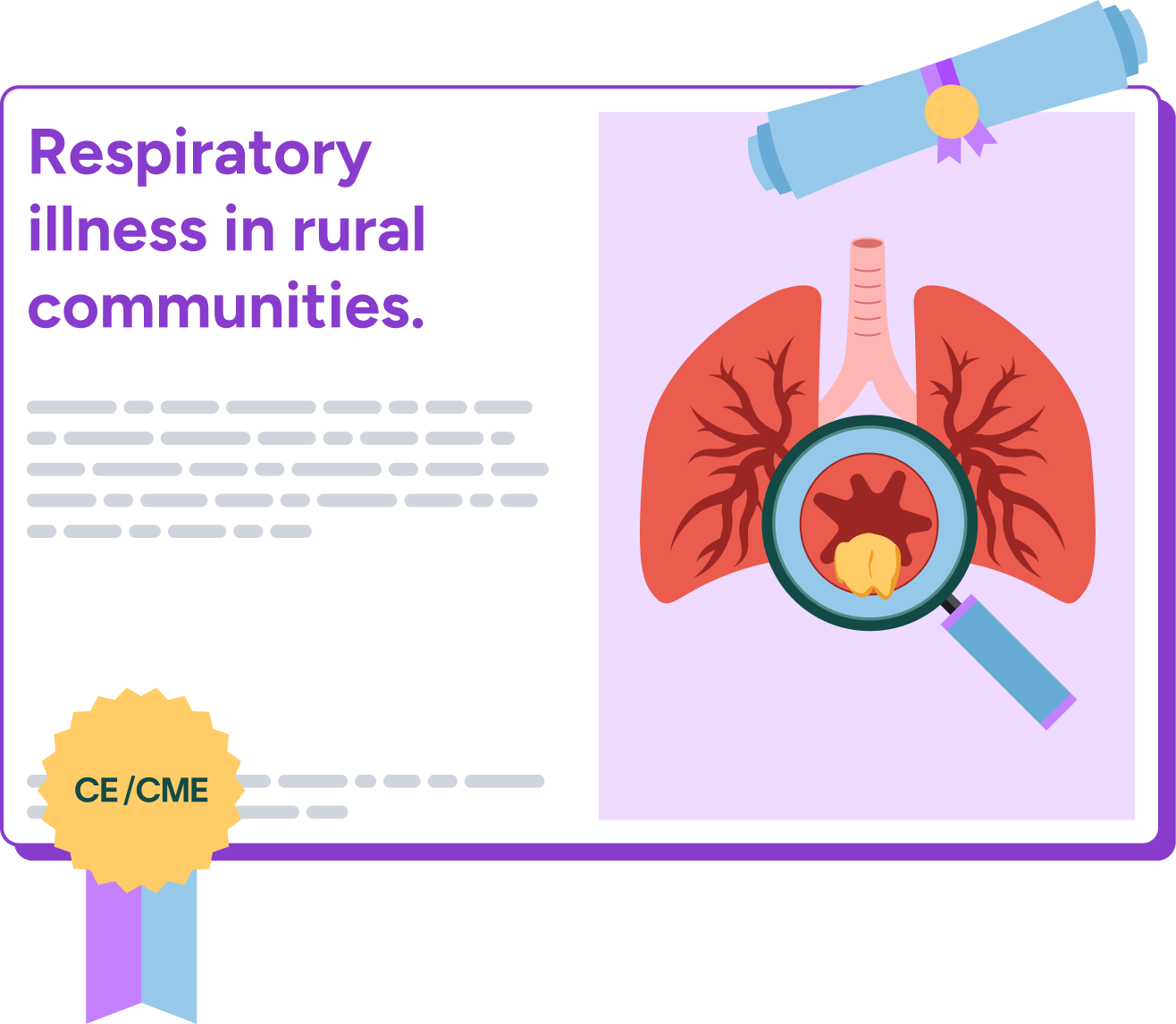

Illustration of lungs with a magnifying glass highlighting infection, next to text about respiratory illness in rural communities and a CE/CME certification badge.

Trusted by the industry’s leading organizations.

NHPNHPNHP
Health Plan NevadaHealth Plan NevadaHealth Plan Nevada
NovawellNovawellNovawell
Rocky Mountain Health PlansRocky Mountain Health PlansRocky Mountain Health Plans
Meridian ILMeridian ILMeridian IL
SignalSignalSignal
Grow TherapyGrow TherapyGrow Therapy
HeadwayHeadwayHeadway
AltaisAltaisAltais
TimelyCareTimelyCareTimelyCare
GalileoGalileoGalileo
Amazon One Medical Amazon One Medical Amazon One Medical
EquipEquipEquip
NOCDNOCDNOCD
Parsley HealthParsley HealthParsley Health
UwillUwillUwill
RulaRulaRula
NHPNHPNHP
Health Plan NevadaHealth Plan NevadaHealth Plan Nevada
NovawellNovawellNovawell
Rocky Mountain Health PlansRocky Mountain Health PlansRocky Mountain Health Plans
Meridian ILMeridian ILMeridian IL
SignalSignalSignal
Grow TherapyGrow TherapyGrow Therapy
HeadwayHeadwayHeadway
AltaisAltaisAltais
TimelyCareTimelyCareTimelyCare
GalileoGalileoGalileo
Amazon One Medical Amazon One Medical Amazon One Medical
EquipEquipEquip
NOCDNOCDNOCD
Parsley HealthParsley HealthParsley Health
UwillUwillUwill
RulaRulaRula
Illustration of a rolled diploma with a ribbon on top of a certificate bearing a star-shaped seal and ribbons.

Improve care quality with condition-specific training.

By targeting high-impact conditions tied to HEDIS and other quality measures, Violet education helps providers better recognize, screen for, and treat conditions that contribute to health disparities.
Broken price tag with medical caduceus symbol and dollar sign, representing healthcare costs.

Lower cost of care through early intervention.

Reduce avoidable ER visits and hospitalizations by giving providers the skills to identify and manage medically complex conditions early on, especially in populations with increased risk.
Purple medical cross with a dark purple heart in the center and radiating lines around it.

Deliver the kind of care that makes a difference.

Research shows that highly personalized care leads to greater appointment attendance, stronger adherence, and improved clinical outcomes.

The advantages of personalized care.

Person-centered care doesn’t just improve patient satisfaction, it drives real results. When patients feel understood, they’re more likely to adhere to treatment plans, stay engaged, and take an active role in their health, all of which lead to better outcomes.
Medical icons including first aid kit, thermometer, purple heart, shield with medical cross, and bottle of pills.

Providers who completed a Violet education program showed:

5

Additional attended appointments per provider

0.4%

Improvement in
diabetes management

80%

Report greater confidence supporting patients across racial, gender, and cultural identities

20%

Higher depression screeningrates per clinician

16%

Improvement in
hypertension control

Measuring the clinical impact of person-centered primary care
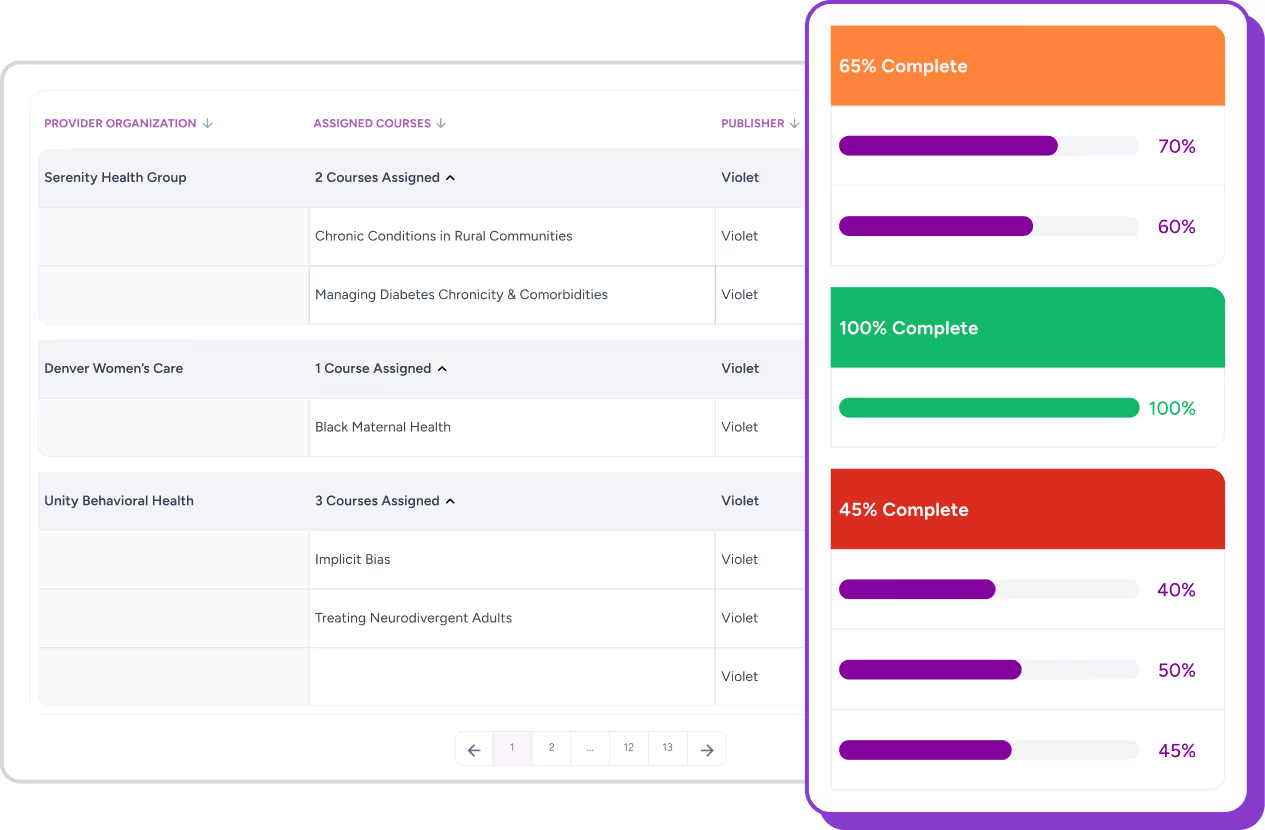
Training track table showing provider organizations Serenity Health Group, Denver Women’s Care, and Unity Behavioral Health with assigned course titles and completion progress bars indicating 65%, 100%, and 45% completion rates.

Unmatched insights into your team's ability to deliver person-centered care.

Align education with your organizational goals.

Whether you're working to improve HEDIS scores, close care gaps, or better support LGBQ, TGNC, BIPOC, rural, Neurodivergent, or Veteran patients, Violet delivers impactful training exactly where it's needed.
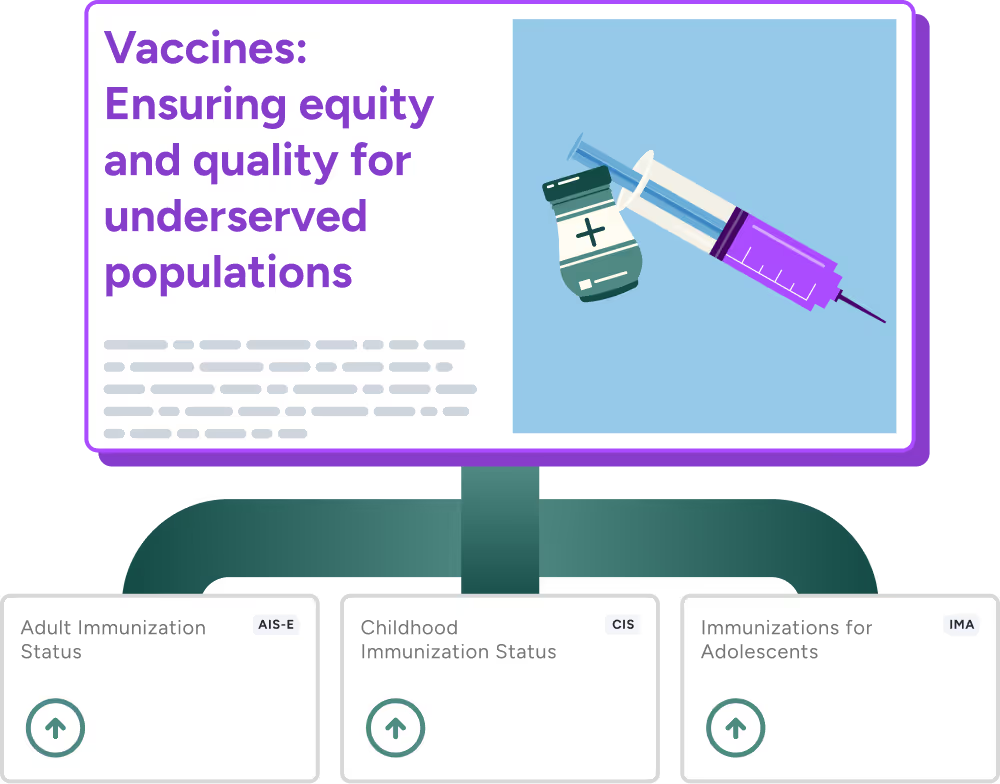
Digital dashboard titled 'Vaccines: Ensuring equity and quality for underserved populations' with an illustration of a vaccine vial and syringe, and three sections below labeled Adult Immunization Status, Childhood Immunization Status, and Immunizations for Adolescents.

Turn insights into action.

Use Violet Benchmarks to identify clinician strengths as well as skill gaps, roll out targeted education, and track improvements across your provider network.
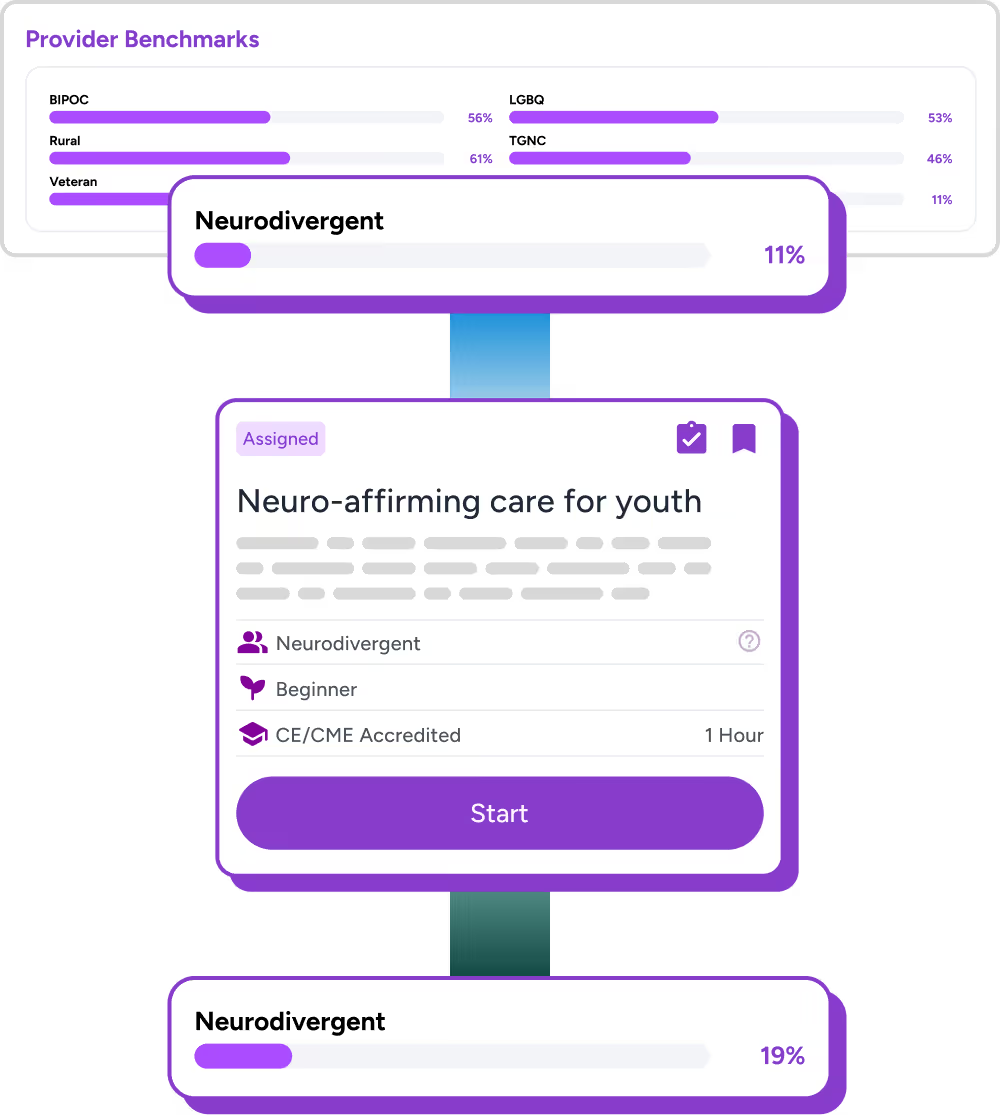
Dashboard showing provider benchmarks for BIPOC 56%, Rural 61%, Veteran 11%, LGBQ 53%, TGNC 46%, Neurodivergent 11%, with a course titled Neuro-affirming care for youth labeled Beginner and CE/CME Accredited, plus a progress bar for Neurodivergent at 19%.

Offer access to expert content.

Violet’s curriculum is authored by clinical experts with direct experience related to the populations, conditions, and interventions they teach about. The result is training that feels practical, credible, and designed for real-world application.
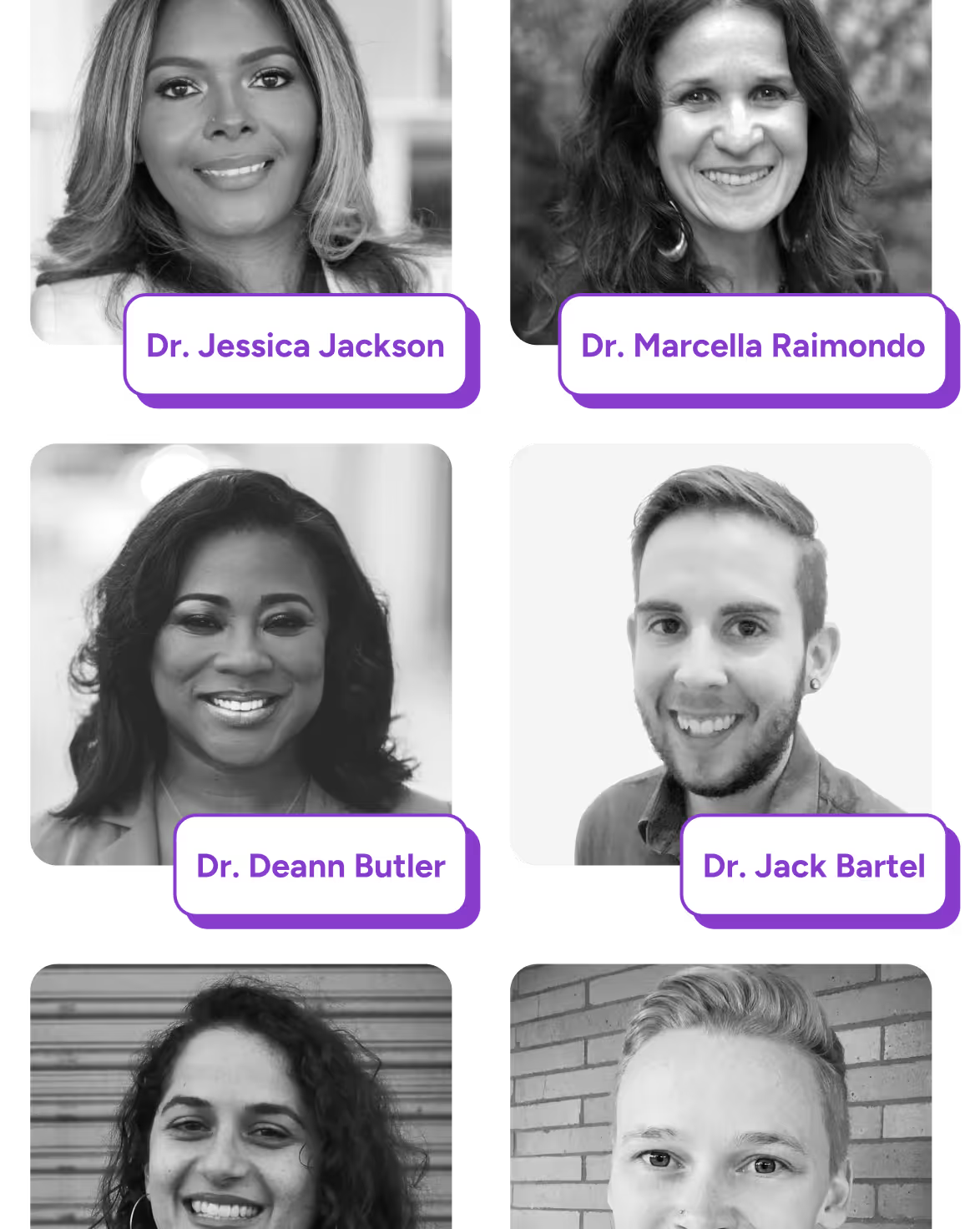
Headshots of six smiling professionals, including Dr. Jessica Jackson, Dr. Marcella Raimondo, Dr. Deann Butler, Dr. Jack Bartel, and two others, arranged in a grid.

Track training history in one easy-to-use dashboard.

Each provider has an NPI-linked profile that logs all of their Violet activity, even when courses or pathways have been assigned by another organization.
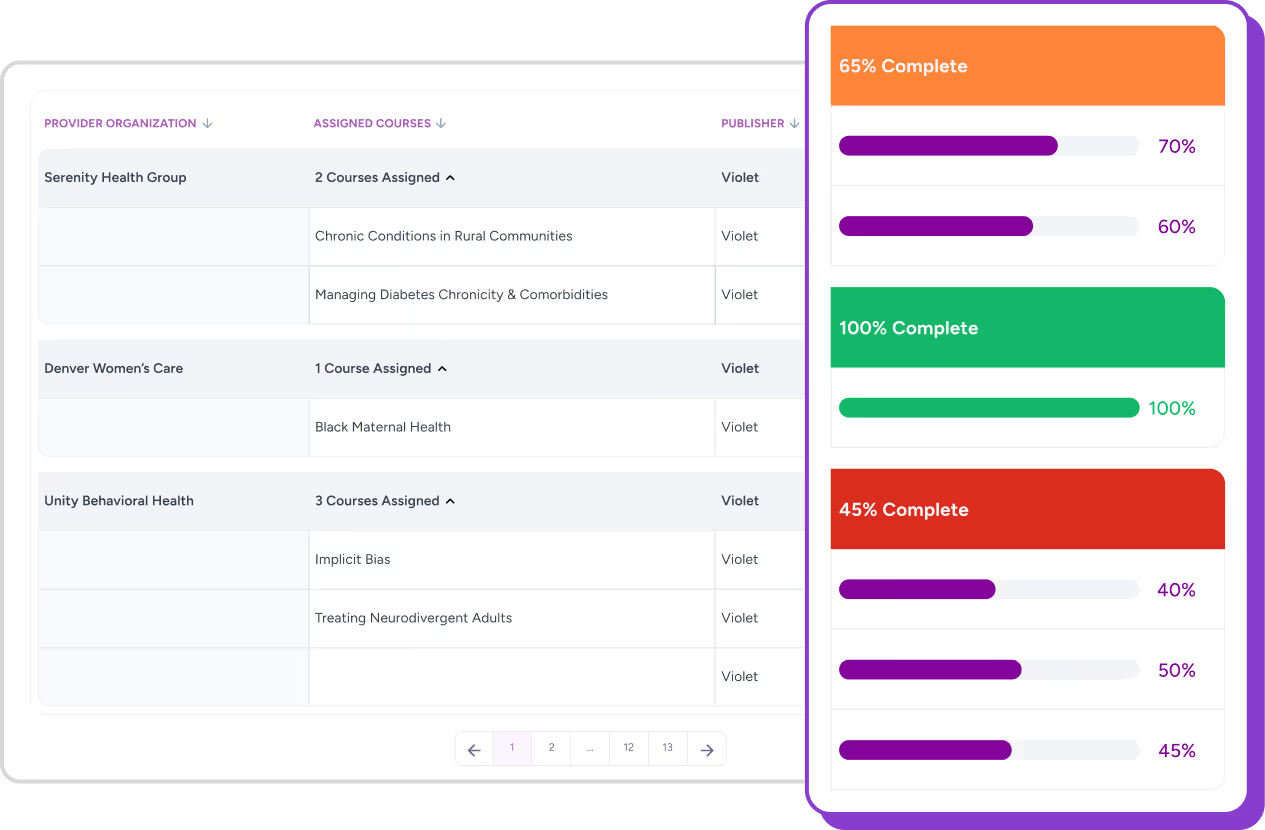
Training tracking dashboard showing course assignments and completion rates for three providers: Serenity Health Group with 2 courses at 70% and 60%, Denver Women's Care with 1 course at 100%, and Unity Behavioral Health with 3 courses at 40%, 50%, and 45% completion.
Training track table showing provider organizations Serenity Health Group, Denver Women’s Care, and Unity Behavioral Health with assigned course titles and completion progress bars indicating 65%, 100%, and 45% completion rates.

Violet Education for Providers

Earn CE/CME credits.

Take accredited courses from Violet’s expansive library, recognized by 15+ certifying bodies, and instantly download your completion certificates
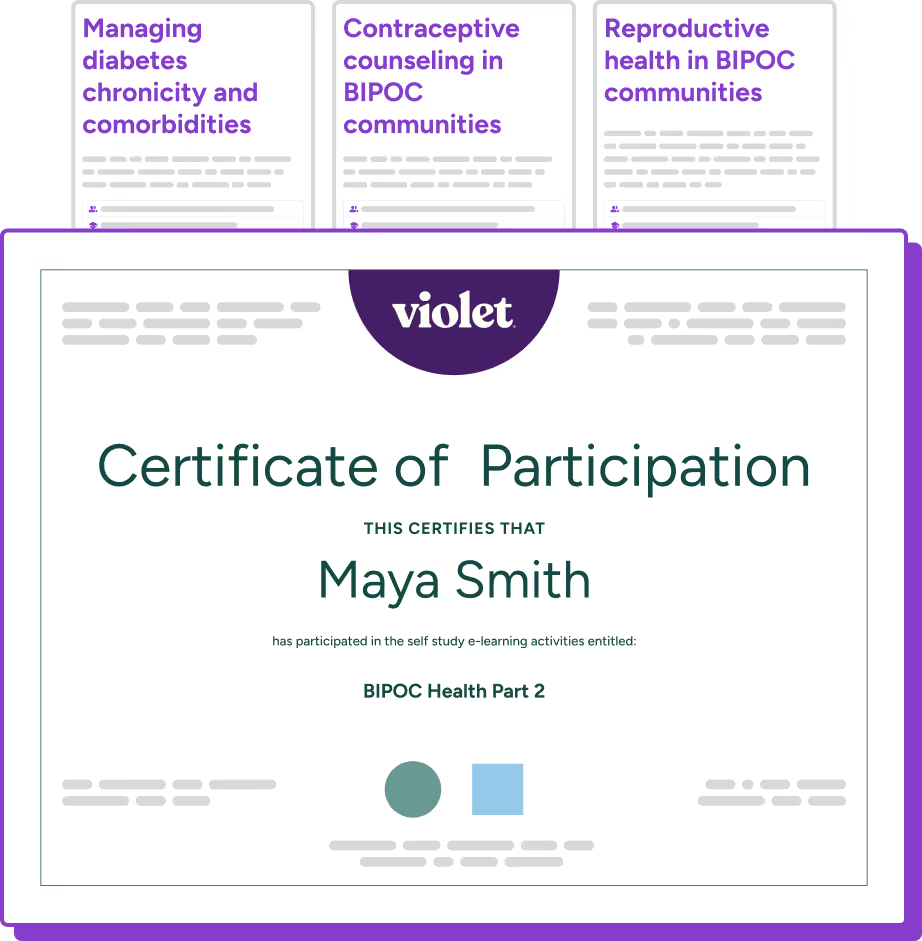
Certificate of Participation awarded to Maya Smith for completing the e-learning activity BIPOC Health Part 2, with violet logo at the top center.

Learn at your own pace.

Explore educational content designed for any learning style, from quick text-based lessons and skill-building tracks to podcasts, webinars, and audio diaries.
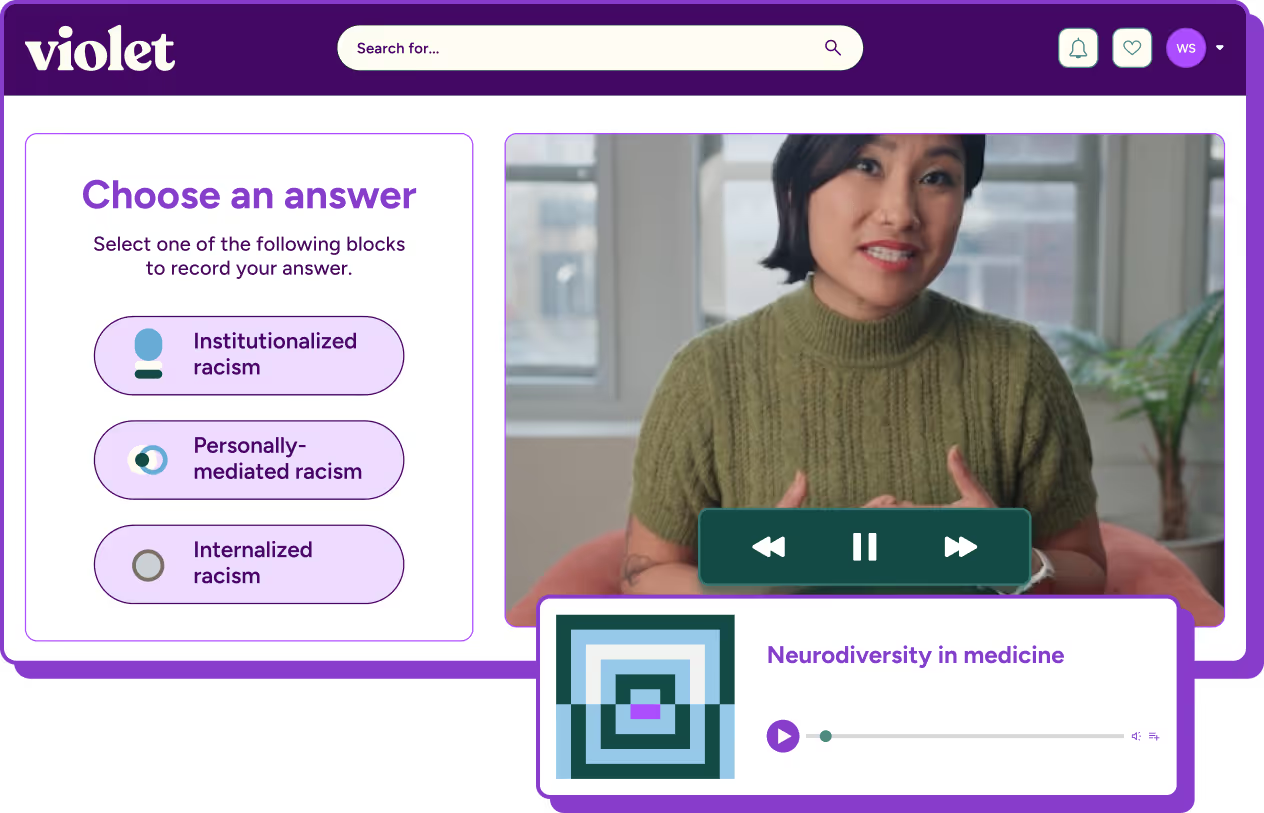
Online learning interface with a video of a woman speaking and radio buttons to select types of racism: institutionalized, personally-mediated, and internalized, with prompt to choose an answer.

Get quick answers when you need them.

Need help with something specific? Use Violet Assistant to search our library for a helpful summary and direct links to relevant coursework.
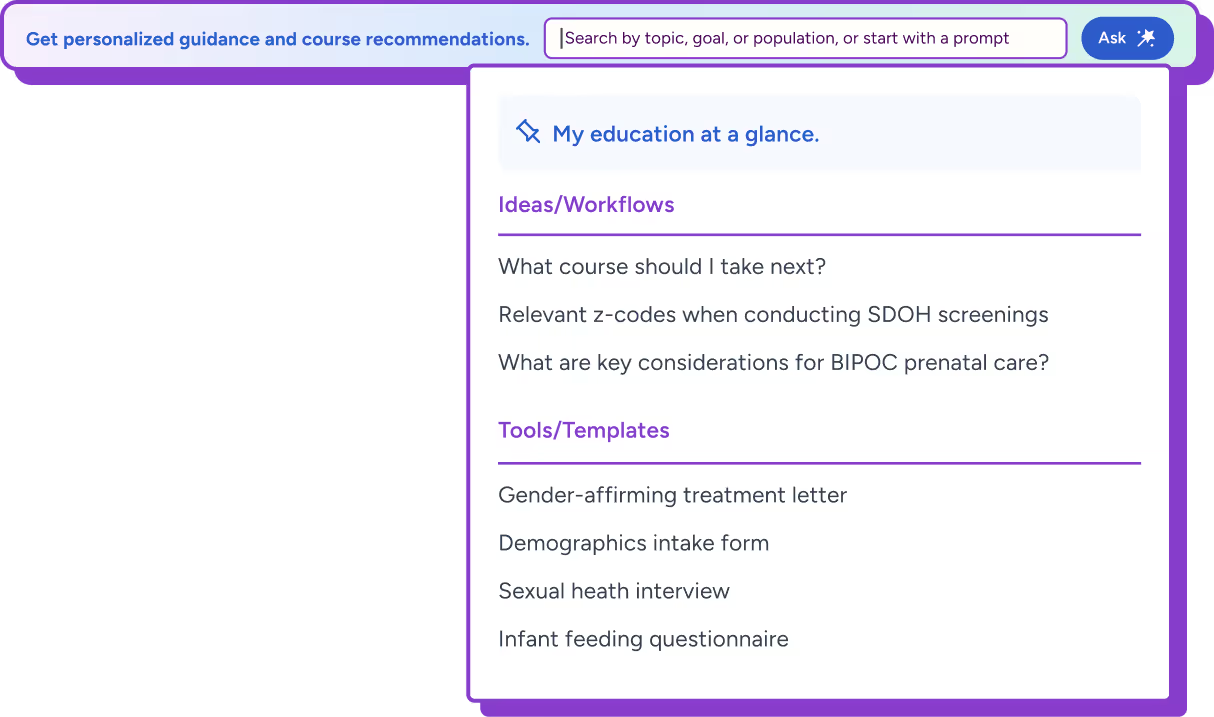
User interface for personalized course guidance with a search bar and suggestions including education overview, ideas/workflows like next course and prenatal care, and tools/templates such as treatment letters and questionnaires.

Track your progress as you go.

Violet Benchmarks give you a clear view of your current strengths and generate personalized education pathways to support your continued growth.
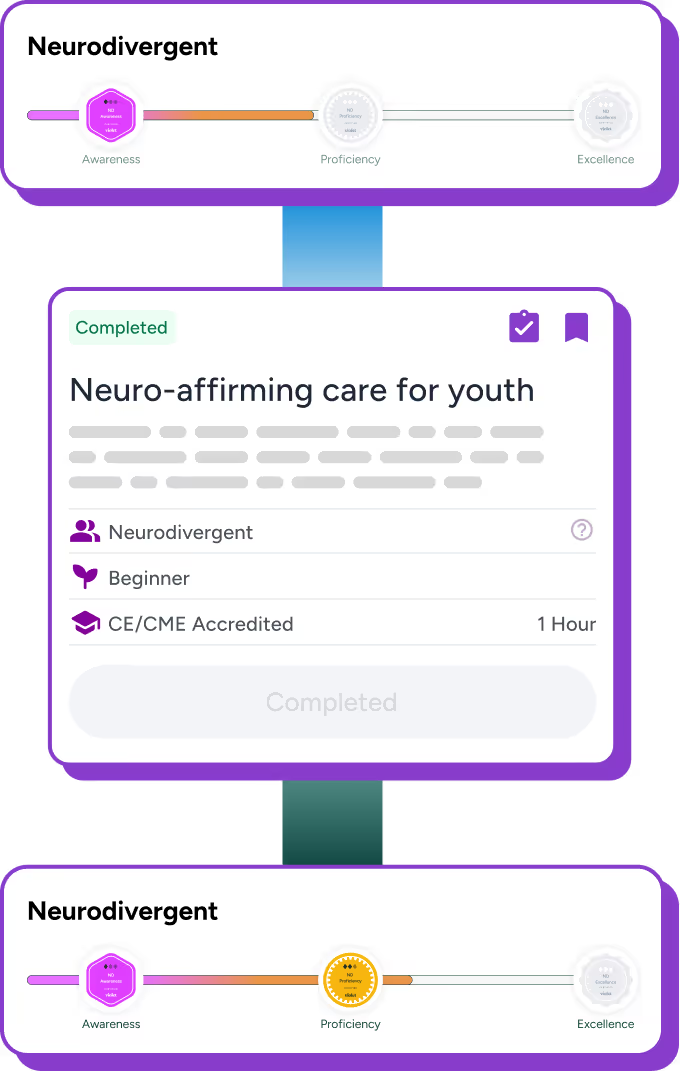
Neurodivergent skill progression bars showing Awareness at the start and Proficiency in the middle; a completed course card titled Neuro-affirming care for youth, labeled as Beginner, CE/CME Accredited, and 1 Hour duration.

A different approach to clinical education.

Violet courses are designed to improve care delivery by equipping providers with the tools they need to address real-world barriers.

Strategies for person-centered care

Focuses on systemic barriers, lived experiences, and population-specific considerations to improve care for LGBTQIA+, BIPOC, Rural, Neurodivergent, Disabled, Veteran patients, and more.

Screening for social determinants of health

How to identify social risk factors and use Z-codes to capture non-medical needs, such as housing or food insecurity.

Managing high-priority conditions

Strategies for screening, diagnosing, and managing chronic conditions in ways that account for patients’ circumstances and care preferences.

Improving clinical quality measures

Personalized care approaches that emphasize coding accuracy, complete documentation, clinical appropriateness, and equity in care delivery.

Blue grid pattern forming a triangular shape on a black background.

Providers <3 Violet.

“In the past, if a patient became agitated, or aggressive I would be quick to move to judgment. Now, with a much deeper understanding of trauma, I start thinking, ‘Has something happened to them that I can be understanding and supportive of? Can I create an environment of safety in our interaction?’”

Doctor

“When I have a patient that seems noncompliant, I am more able to reframe my thinking regarding the situation. I can consider that social determinants and trauma history, among other things, may need to be taken into account. I can open the door for discussions and help the patient navigate the barriers they face.”

Nurse Practioner

“Honestly, after plugging in my experiences and education I thought I was more proficient than I actually was. I have done numerous trainings on cultural competence but this made me realize how much more I have to learn.”

Coach

“When I have a patient that seems noncompliant, I am more able to reframe my thinking regarding the situation. I can consider that social determinants and trauma history, among other things, may need to be taken into account. I can open the door for discussions and help the patient navigate the barriers they face.”

Jane Doe

“In the past, if a patient became agitated, or aggressive I would be quick to move to judgment. Now, with a much deeper understanding of trauma, I start thinking, ‘Has something happened to them that I can be understanding and supportive of? Can I create an environment of safety in our interaction?’”

Doctor

“When I have a patient that seems noncompliant, I am more able to reframe my thinking regarding the situation. I can consider that social determinants and trauma history, among other things, may need to be taken into account. I can open the door for discussions and help the patient navigate the barriers they face.”

Nurse Practioner

“Honestly, after plugging in my experiences and education I thought I was more proficient than I actually was. I have done numerous trainings on cultural competence but this made me realize how much more I have to learn.”

Coach

“When I have a patient that seems noncompliant, I am more able to reframe my thinking regarding the situation. I can consider that social determinants and trauma history, among other things, may need to be taken into account. I can open the door for discussions and help the patient navigate the barriers they face.”

Jane Doe

Meet our
educators.

Every Violet course is crafted by leading clinicians, researchers, and community health experts, and reviewed by our Clinical Review Board to ensure it meets the highest standards of clinical relevance and impact.

View all educators

Sofía Webb, MSW, LSW, CTP
Richard Cancio, MPH
Mona Eshaiker, LMFT
Luke Keating, MA
Le'Andra LeSeur
Jessica Halem, MBA
Jesse Kahn, LCSW-R, CST
Kay Nikiforova, MA
Sofía Webb, MSW, LSW, CTP
Richard Cancio, MPH
Mona Eshaiker, LMFT
Luke Keating, MA
Le'Andra LeSeur
Jessica Halem, MBA
Jesse Kahn, LCSW-R, CST
Kay Nikiforova, MA
Dr. Erin Grinshteyn
Dr. Jack Bartel
Felix Gabriel Lopez, MS, MA(c)
Dr. Farzana A. Faisal
Dr. Hayley Miller
Dr. Deann Butler
Beth Gladstone, LCSW
B Harriman, MFA
Dr. Erin Grinshteyn
Dr. Jack Bartel
Felix Gabriel Lopez, MS, MA(c)
Dr. Farzana A. Faisal
Dr. Hayley Miller
Dr. Deann Butler
Beth Gladstone, LCSW
B Harriman, MFA